October 2026
VOL 1 - NO 1 - OCT 2026
ONE QUICK THING – Monthly insights for you
Seeking Support Early
By Dr. Nicole Hawkins, PhD
With diet culture so prevalent in our society, it can be difficult to recognize when someone’s relationship with food, exercise, or their body has crossed the line from what may seem “normal” into something that is negatively affecting their life. Disordered eating is often minimized or even reinforced because many of these behaviors have become so normalized in our culture.
One of the most important things professionals can do is look beyond the specific behaviors and consider the impact they are having on the person. Is their relationship with food or their body interfering with their happiness, relationships, physical or emotional health, school, work, or ability to fully participate in life? When it begins taking up significant mental or emotional space, it deserves attention.
Disordered eating can progress into a serious eating disorder and can affect nearly every area of a person’s life. Early recognition and intervention can make an important difference. Most importantly, there is tremendous reason for hope. Effective treatment is available, and people can and do fully recover from eating disorders. We should not dismiss concerning behaviors simply because they are common in our culture. Take them seriously, ask questions, and encourage people to seek support
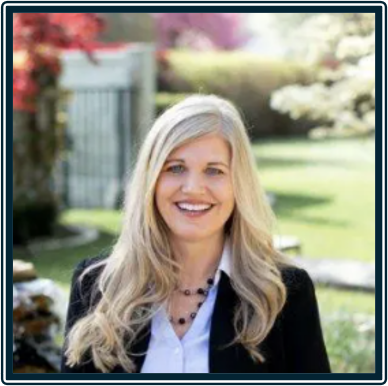
Dr.Nicole Hawkins, PhD, CEDS-S
Center For Change | CEO
Dr. Hawkins is a clinical psychologist and is the Chief Executive Officer at Center for Change. She is a specialist in eating disorders and body image and has provided clinical expertise at Center for Change since 1999. Dr. Hawkins developed a comprehensive body image program that focuses on the media, diet industry, plastic surgery, childhood issues, and learning to appreciate one’s body, and she leads these groups for the Inpatient and Residential patients at Center for Change. She is a Certified Eating Disorders Specialist (Supervisor), has published several articles, and presents regularly at national and regional conferences.
EVENTS • TRAININGS • CEUS
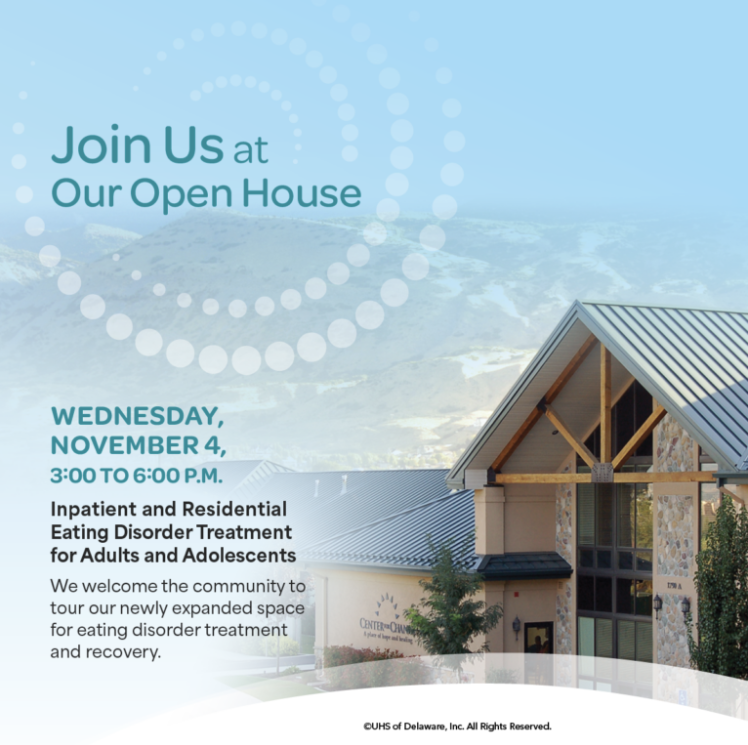
Nov 4, 2026
Center for Change Expansion Open House!
Center for Change
We welcome the community to tour our newly expanded space for eating disorder treatment and recovery. Come see the spaces where healing happens – from our newly expanded rooms to our therapeutic spaces, and the community that surrounds it.
https://centerforchange.com/event/center-for-change-expansion-open-house/
Dec 7-9, 2026
DC:0–5 Diagnostic Classification of Mental Health and Developmental Disorders of Infancy and Early Childhood™
The Children’s Center Utah
This comprehensive training is designed for practitioners who provide assessment, diagnosis, and/or treatment for infants, young children, and their families
Cost: $25, CEUs 12
JAN 28-29, 2027
Eating Disorder Mastery Class
The Eating Disorder Consultants
For professionals ready to level up: two live days diving deeper into the treatment of eating disorders
Cost: $325, CEUs 12
https://www.theeatingdisorderconsultants.com/live/mastery-class-oct-2026
SOVA UPDATES
· Sova Counseling now accepts Molina Medicaid! This adds to our Medicaid coverage that now includes State (FFS), Optum, Select, and now Molina. Plus – we will be accepting Healthy U soon!
· Professional workshops for free?! Yes! As part of our mission to expand access to care, Sova is offering no-cost workshops for community centered organizations, community centers, and facilities. If you are interested, check out our workshop page and reach out! https://www.sova-counseling.com/workshops
FIELD NOTES – Insights from the field
Utah DHHS changes Medicaid billing to align with NCCI guidelines
WHAT HAPPENED
Utah’s Department of Health and Human Services told providers that, starting January 1, 2027, several codes used to bill behavioral health services for Medicaid will be shifted to better align with the National Correct Coding Initiative (NCCI). Some are shifting from 15-minute units to a single unit per day, effectively creating a flat encounter rate for these services. Important codes that are changing include 90791 (primarily used for intakes and biopsychosocial assessments), 90847 (used for family therapy), and 90853 (used for group therapy).
Separately, some higher levels of care will shift to per-diem billing. This specifically includes residential treatment, IOP, and PHP programs. These changes were shared through official Medicaid provider trainings and Medicaid Information Bulletins published by DHHS.
You can see the actual bulletins here (Referencing the September 2026 bulletin)
WHY IT MATTERS
The change to billing logic is likely going to be a mixed bag for Medicaid providers. In many ways, it may simplify billing. On the other hand, it creates a disconnect between the time spent providing a service and the compensation received.
Take an intake plus biopsychosocial assessment. As of September 2026, a therapist who spent three medically necessary hours learning about, connecting with, and conceptualizing a new client could bill 12 units (15 minutes per unit), while another therapist who completed the assessment in an hour could bill only 4 units. As of January 1, 2027, they will both be compensated the same amount.
The actual numbers for the Utah’s FFS, state level Medicaid reimbursement, are now public, but a shorthand for how much each new per-encounter rate in 2027 equates to in terms of hours billed under the 2026 system looks roughly like this:
Intake (90791) – 1.25 hours
Group therapy (90853) – 1.75 hours
Family therapy (90847) – 50 minutes
These are rough comparisons, but they help illustrate what is changing. For example, 90791 currently pays $43.72 per 15-minute unit and will pay $214.70 per encounter in 2027. Family therapy under 90847 currently pays $35.85 per 15-minute unit and will pay $122.37 per encounter
OUR READ
An interesting thing about this change is that the NCCI guidelines are not new. In fact, Utah explicitly contended with this question back in 2013. Medicaid NCCI requirements were expanded to state Medicaid programs through the Affordable Care Act in 2010, and Utah has, up until now, chosen to use its own 15-minute billing methodology for several of these codes.
DHHS now says the change is intended not only to comply with NCCI standards, but also to address “federal oversight concerns regarding per-unit overpayment risks”
That leaves wondering, why now? Utah has maintained this billing model for more than a decade. As of this writing, I have not seen an explanation of what specifically changed in 2026 that made the existing system no longer workable.
The impact of this change is hard to predict, but it does clearly incentivize some provider behavior worth noting.
First of all, it directly hurts longer family therapy sessions. Family therapy is often a more complex service than individual therapy and is commonly done in hour-and-a-half sessions. The code for it, 90847, has already been slipping behind the standard outpatient therapy code rate of 90837, but the per-unit model allowed longer sessions to, at least in part, make up for the difference.
The new changes are going to solidify family therapy at a capped rate more closely aligned with the current 45-minute individual therapy code, 90834. In 2027, 90847 will reimburse $122.37 regardless of whether the clinically appropriate family session lasts around 50 minutes or substantially longer. By comparison, 90834 will pay $127.95 and 90837 will pay $162.81. This is likely to be a big struggle.
This speaks to a bigger trend in the changes: it creates a disconnect between clinical expectations and financial incentives. DHHS says that providers are expected to continue delivering full clinical sessions, even though the entire encounter will now be submitted as a single unit. But that means additional time and care beyond what is needed to qualify for the paid encounter’s minimum time requirements (for example a 90791 is only 16 minutes!) no longer results in additional compensation.
My hope is that clinicians continue to offer the high-quality care their clients need. However, I worry that some - especially executive leadership at larger, business-forward clinics - will see the “opportunity to optimize” as too big an opportunity to pass up.
Written by Yotam Livnat, Sova Co-Founder, CMHC
QUESTIONS FROM THE BOX
Rose Andre, CMCH, asks: “:How can clinicians differentiate diagnosing between an eating disorder and aspects of other diagnoses like ARFID and sensory preferences in Autism Spectrum Disorder?”
A: Hello Rose! Autism Spectrum Disorder often comes with a host of atypical sensory experiences, and it's not uncommon for folks to develop strong sensory preferences around food. Common examples include liking dry or bland foods, or keeping each food separate.
Where the line starts to shift toward ARFID (and a quick note, ARFID is one of the feeding and eating disorders) is when those preferences develop into avoidance that significantly impacts their health or seriously interferes with daily life. Some things to look for include anxiety around food, avoiding situations where eating might come up, or an ever-shrinking list of safe foods.
While the DSM-5-TR draws a diagnostic distinction between anorexia nervosa and ARFID, these eating disorders can share underlying reinforcement patterns, and we often see mixed presentations. Keep an eye out for different layers of food avoidance, including the desire to lose weight, avoiding unpleasant eating experiences, and the experience of control.
Funnies
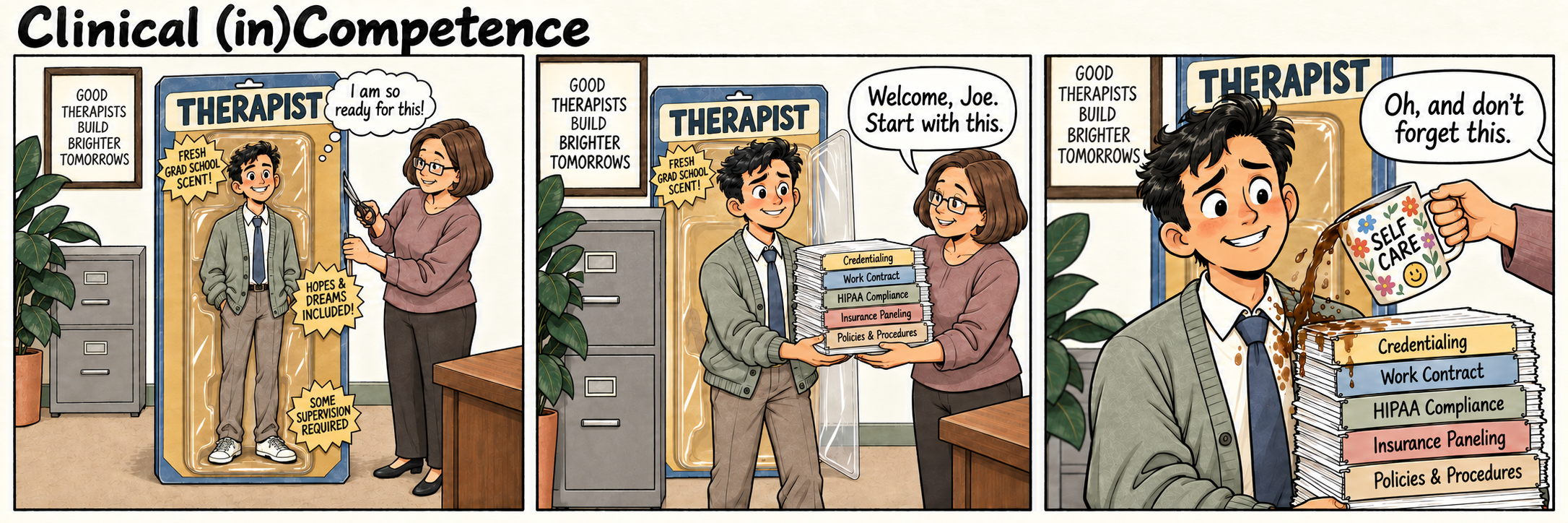
Writing and composition by Yotam Livnat
AI assisted artwork
ONE MORE BITE
in case you are hungry for more
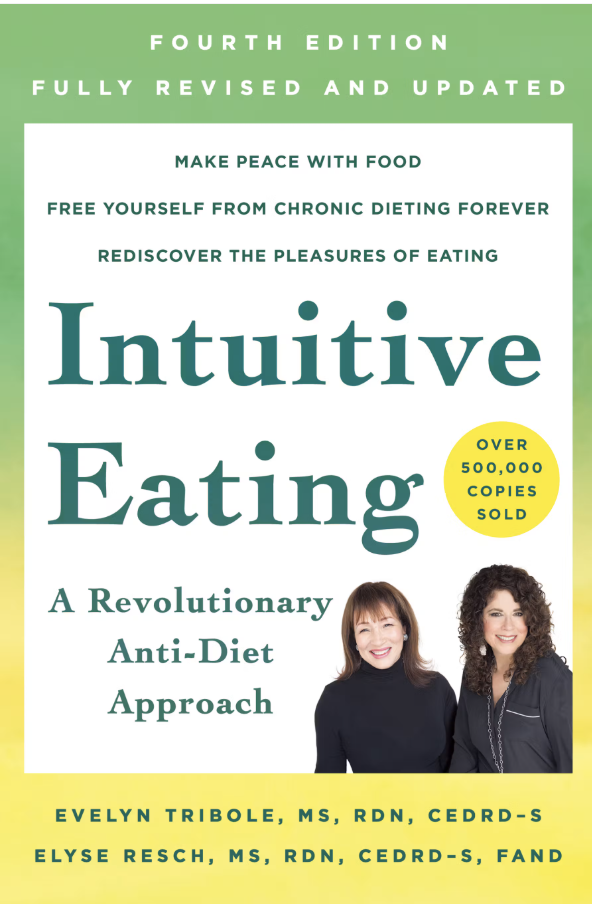
This month we are reading “Intuitive Eating”
Intuitive Eating by Evelyn Tribole and Elyse Resch has been way more helpful to me than I ever expected one book to be. One of my favorite things about it is how honest the authors are. They talk about mistakes they made in their own work as dietitians and how their thinking changed over time. That really stuck with me because it feels human. It does not read like someone pretending they have always had it all figured out.
It has also helped me understand my clients in a deeper way. Not just what they are doing around food, but what might be happening underneath it. The fear, the rules, the guilt, the constant second guessing. It gave me a better understanding of how hard it can be to trust yourself when you have spent so long being told not to.
And really, Intuitive Eating is about so much more than food. It is about reconnecting with yourself and learning to listen to a part of you that may have gotten really quiet over time. That is probably the piece I keep coming back to most
by: Jamaica Shires, Sova Co-founder
Want to read with us?