

Our Services
Flexible, specialized eating disorder care built around real life.
Care coordination helps reduce barriers and make next steps feel more manageable. We support communication, planning, skill building, and connection between providers, families, and everyday needs so care feels more connected and easier to navigate.

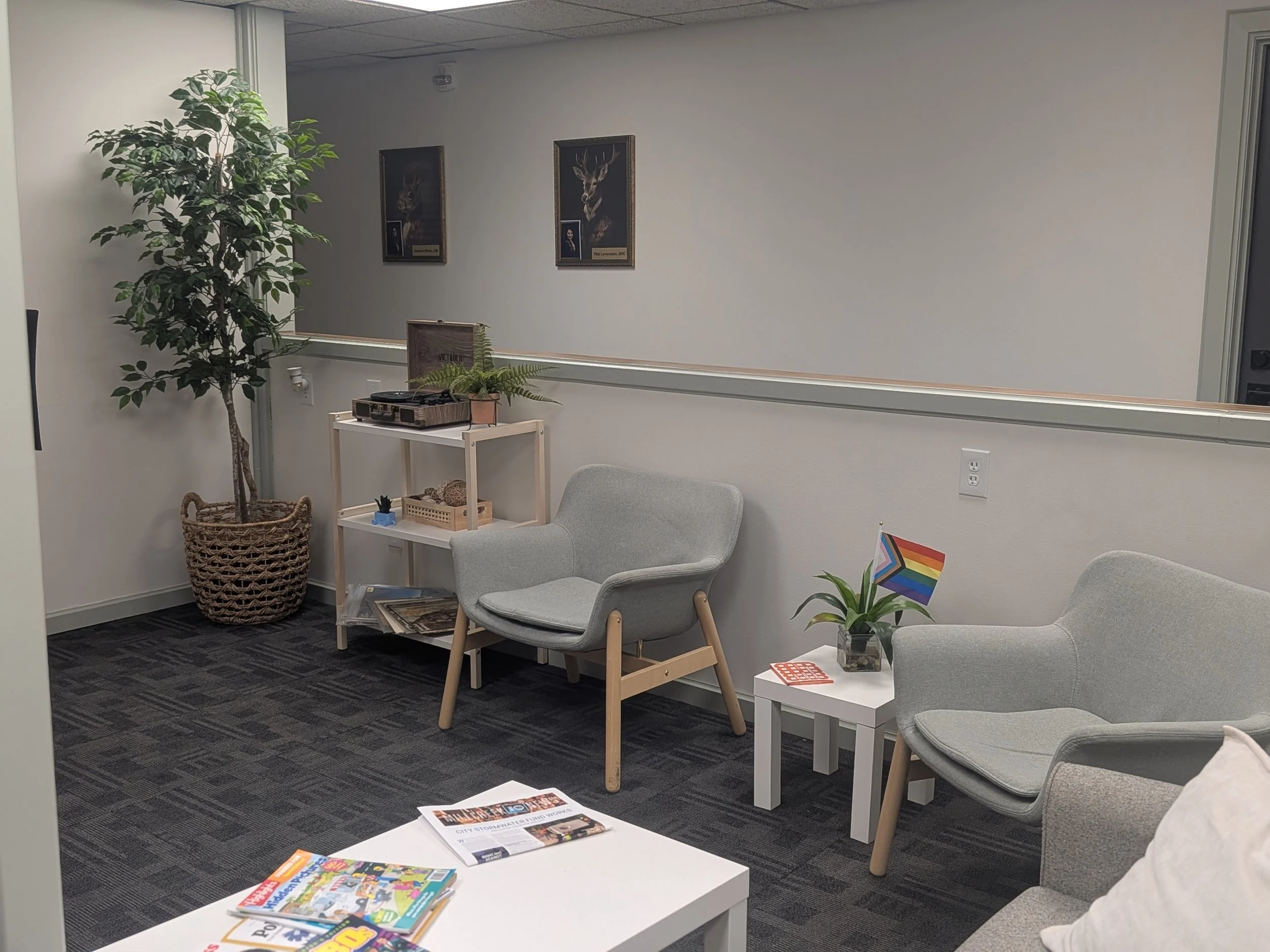
Therapy at Sova is individualized, collaborative, and grounded in evidence-based care. We support children, teens, adults, and families navigating eating disorders, anxiety, trauma, body image concerns, relationships, and other mental health needs. Care focuses on understanding your experience, building practical skills, and creating meaningful change without shame or judgment.

Care should work with real life, not against it. Sova offers flexible support through in-office, telehealth, and in-home services, helping people access care in ways that fit their needs, routines, and circumstances.
Therapy
A supportive place to slow down, build a relationship with your therapist, explore your values, face difficult challenges, and work toward meaningful change.
What therapy looks like at Sova
Your therapist
Therapists at Sova are trained professionals, each holding a graduate degree in the field of therapy and licensed in the state of Utah. Your therapist works with you consistently throughout your time at Sova.
Therapeutic relationships take time to build, and that’s expected. Trust is an essential part of meaningful change, and we believe it develops gradually through steady, collaborative work.
────────────
Session frequency
Most therapy sessions take place once a week, though they may occur more or less frequently depending on your needs. Some people meet twice a week, while others meet biweekly or monthly.
You and your therapist will decide on a pace together and revisit it as your needs change.
────────────
What to expect in therapy
Therapy is a space for nonjudgmental curiosity, reflection, learning, and growth. Because your needs are unique, therapy is individualized rather than formulaic.
Sessions may include exploring your values, past experiences, relationships, and current coping strategies. You can expect thoughtful attention to what is already working in your life, as well as gentle challenge around what may no longer be serving you.
────────────
How long therapy lasts
Therapy may last anywhere from a few months to several years. Early sessions often focus on building trust and foundational skills, and change can feel gradual at first.
Over time, many people move into a period of deeper, more meaningful change, followed by a phase of support and maintenance as new patterns take hold.
────────────

Therapy Formats
Individual therapy
You meet one-on-one with your therapist. This is where much of the work happens.
Individual therapy is both a quiet space to slow down and reflect, and an active space to build skills and challenge patterns. You and your therapist develop a personal, long-term plan and work toward it together.
Individual therapy may focus directly on eating-related concerns, or support you in caring for someone else who is struggling.
────────────
Family therapy
You meet with your therapist and one or more members of your family or support system, such as parents, partners, siblings, caregivers, or close friends.
Family therapy creates space to bring important relationships into the healing process. With the support of your therapist, families can navigate complex moments, strengthen communication, and work toward a safer and more supportive environment.
────────────
Group therapy
You meet with a small group of people who are navigating similar challenges, along with one or more therapists.
Group therapy can feel intimidating at first. At the same time, connecting with peers who understand parts of your experience can be deeply healing. Groups offer opportunities for shared understanding, real human support, and growth in a confidential, professionally facilitated setting.
────────────
If you would like to learn more about getting started
Care Coordination
Wraparound support, wherever you may need it.
Care coordination, sometimes referred to as case management, provides individualized support alongside therapy. It can help address practical barriers, strengthen follow-through, and make navigating care feel more manageable.
What care coordination looks like at Sova
Your care coordination provider
All care coordination services at Sova are provided by Certified Case Managers (CM). You work consistently with the same Case Manager, allowing time to build a trusting relationship and support that is shaped around your individual needs.
────────────
Building and practicing skills
Therapy can bring insight, but using those skills in everyday life can be the harder part. Your Case Manager can help you practice skills, problem-solve barriers, and strengthen follow-through in real-world situations.
Together, you can develop practical strategies that reflect your strengths, challenges, and goals.
────────────
Support beyond the therapy room
Connecting your care team
Managing communication between a therapist, doctor, dietitian, family members, and other supports can feel like a full-time job. Your Case Manager can help facilitate communication and collaboration so your providers are working toward shared goals while keeping you at the center of your care.
────────────
Practical support in daily life
Care coordination can also help with the practical parts of following through on care. This may include support with appointments, accessing resources, practicing coping strategies, implementing recommendations, navigating barriers, or helping families apply skills at home.
Support is individualized and focused on what will be most useful in your day-to-day life.
────────────
If you would like to learn more about getting started
Flexibility
Care that fits into real life.
Flexibility at Sova is about reducing the practical barriers that can make it difficult to stay engaged in care. Depending on your needs and availability, services may be offered in-office, through telehealth, or in-home, with scheduling options designed to work alongside school, work, family, and everyday life.
Flexible care at Sova
Where care can happen
Care does not always have to happen in a traditional office setting. Depending on your needs, the service being provided, and availability, Sova may offer in-office, telehealth, or in-home support.
The goal is to make care more accessible while still providing thoughtful, consistent support.
────────────
Scheduling around real life
Work, school, transportation, caregiving, and other responsibilities can make traditional appointment times difficult. Sova offers extended scheduling options, including some evening and Sunday appointments.
We work with you to find options that make ongoing care more realistic and sustainable.
────────────
Care that adapts with you
Built around individual needs
Flexibility does not mean one approach works for everyone.
Where and how care happens may change depending on your goals, circumstances, clinical needs, and the type of support you are receiving.
Care is individualized rather than expecting you to fit into a predetermined structure.
────────────
Staying connected to care
Sometimes life gets complicated. Changes in schedules, transportation, family responsibilities, or other circumstances should not automatically mean losing access to support.
When possible, we work with you to identify options that help maintain continuity and keep care connected to your everyday life.
────────────
If you would like to learn more about getting started